
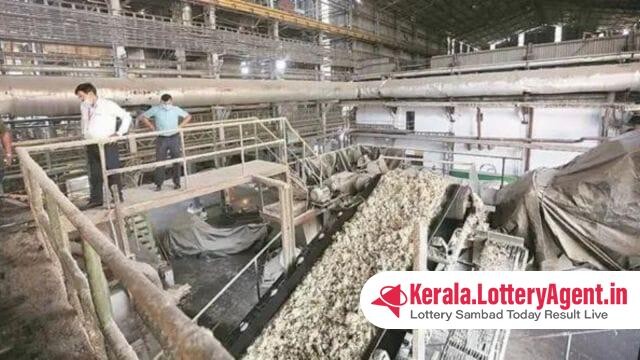
In a push to tap into the potential of the sugar industry’s byproducts, the government is reportedly deliberating on a proposal that might see excess B-heavy molasses being put to use in ethanol production. Ongoing discussions involve the possibility of sugar mills converting their surplus B-heavy molasses—accumulated in massive quantities—to renewable fuel amid a period of stable sugar supplies and market prices, suggest insider sources.
Sugar mills across the country reportedly find themselves in possession of an enormous surplus, exceeding 8 lakh tonnes, of B-heavy molasses. This byproduct from sugar processing was under a restriction for usage until a ban imposed on December 7 of last year was lifted. Seven days following the ban, the government reversed its decision, permitting the utilization of cane juice and B-heavy molasses for ethanol manufacture, albeit within the maximum limit of sugar diversion pegged at 17 lakh tonnes for the ethanol production year 2023-24, which spans from November to October.
The sudden ban previously instituted by the government had caught the industry off-guard. Usually, molasses are stored for ethanol production after the sugarcane crushing season concludes. Once the ban took effect and a cap was introduced, this produced a glut of unused molasses at sugar mills, the sources explained to the Press Trust of India (PTI).
Now, with the crushing season drawing to a close, the sugar industry is lobbying for government action that would allow the utilization of the excess B-heavy molasses stock for ethanol manufacturing. This would align with the industry’s need for viable options to deal with the surplus while contributing to the nation’s ethanol output.
Preliminary talks point to a positive outlook for the proposal’s acceptance, given the backdrop of a robust domestic sugar production, which has confidently crossed 300 lakh tonnes so far in the 2023-24 cycle (October-September). These figures are consistent even when excluding the 17 lakh tonnes earmarked for ethanol production. Such plentiful supply ensures that current domestic demand is comfortably met, and retail sugar prices are holding steady, further reinforcing the case for the government’s approval.
Projected sugar output for the ongoing season is anticipated to land somewhere in the region between 315 and 320 lakh tonnes. The sugar industry, therefore, is on the threshold of leveraging this expected surplus by converting part of its byproduct into ethanol, a cleaner alternative fuel that is increasingly blending into the nation’s fuel stream. Advocates for the proposal argue that this will not only alleviate the excess molasses stockpile problem but will also boost the country’s ethanol production capacity, advancing efforts toward biofuel and energy sustainability.
Ethanol derived from sugar byproducts such as molasses is considered a renewable resource that can serve as a partial substitute for fossil fuels. It complements the government’s broader goals of reducing greenhouse gas emissions and promoting energy security. With the potential green light from the government, the sugar mills could contribute significantly to these environmental and economic initiatives.
The proposal for the increased ethanol production using excess B-heavy molasses is being carefully examined with the interests of multiple stakeholders, such as sugar mill operators, farmers, and environmental advocates. This consideration indicates a growing recognition of the importance of renewable energy sources and diversification away from sole dependence on crude oil imports.
As the government-led discussions continue, the entire sugar industry, as well as environmental and energy sectors, are watching closely. The outcome may well be a pivotal step in shaping the future of India’s biofuel policy and the larger sustainable energy landscape.