
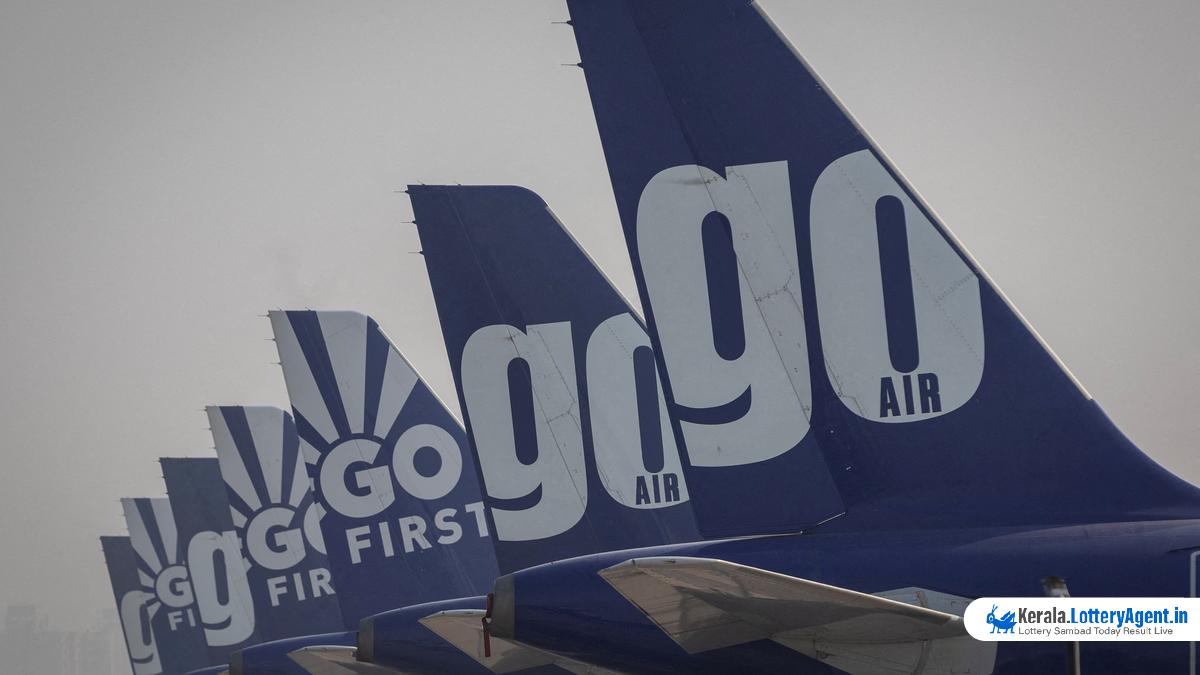
In a sweeping move that underscores the daunting challenges facing the Indian aviation sector, the Directorate General of Civil Aviation (DGCA) has effectively grounded Go First by deregistering its entire fleet of 54 aircraft on Wednesday. This decisive action comes in the wake of the Delhi High Court’s mandate, which was issued last week and granted the country’s main aviation authority a stringent five-day window to comply.
The roots of this dramatic development trace back to legal proceedings initiated last year by a consortium of 14 aircraft lessors, among them industry giants such as SMBC Aviation Capital Limited, Sky Leasing, GY Aviation Lease, ACG Aircraft Leasing, BOC Aviation, and China Development Bank Financial Leasing Company. Their united front was a direct response to the uncertain fate of their leased aircraft amidst Go First’s financial turbulence.
The issue came to a head earlier in the year when Go First took the significant step of petitioning for voluntary insolvency through the National Company Law Tribunal. On May 10, 2023, the tribunal acknowledged the plea, thereby triggering a protective moratorium against creditor pursuits that could derail the airline’s restructuring efforts.
However, the lessors’ patience thinned as they awaited a resolution, leading them to seek judicial intervention. The Delhi High Court, in its deliberation, sided with the lessors and ordered expeditious action from the DGCA. Specifically, it called upon the regulator to process the “Deregistration Applications” without delay, facilitating the handover back to the lessors by providing necessary documentation and permits, including Export Certificates of Airworthiness and Ferry Flight Permits.
The latest turn of events comes as a bitter reminder of Go First’s announcement made precisely one year ago on May 2, 2023. The cash-strapped airline had gone public with its intention to file for insolvency, a move spurred by dire financial straits that had culminated from a contentious dispute with engine manufacturer Pratt and Whitney. The discord led to the prolonged grounding of nearly half of Go First’s fleet, exacerbating its financial woes and undermining operational reliability.
The consequences of the DGCA’s recent compliance with the High Court directive are significant and complex. With its entire fleet deregistered, Go First stares down the daunting path of potential operational cessation and the Herculean task of reclaiming financial and strategic stability. For the lessors, the action represents a protracted form of relief and a step closer to recuperating valuable assets locked in the quagmire of litigation.
The aviation landscape in India has been no stranger to turmoil in recent years. Airlines are grappling with cutthroat competition, skyrocketing operating costs, and fluctuating demand, all of which are exacerbated by global economic pressures. The situation surrounding Go First amplifies the sector’s fragility while casting doubts over the airline’s ability to navigate through the stormy skies it currently endures.
As the dust settles on this latest chapter of aviation distress, industry observers and stakeholders alike are poised to watch how Go First will tackle its uphill battle. The deregistration marks not only a logistical setback but also a symbolic blow to the confidence in its long-term viability.
The DGCA’s enforcement of the Delhi High Court’s ruling signifies a critical juncture for both the airline and the Indian air transport narrative in general. Questions abound regarding the fate awaiting Go First’s employees, customers, and partners, as the once buoyant carrier faces possibly its most severe test to date.