“Mumbai is a contradiction,” Payal Kapadia remarked on the domestic release day of her striking debut feature, All We Imagine as Light. Having made history by winning the Grand Prix at the Cannes Film Festival in May, the film is set to captivate Indian audiences. Interestingly, rather than premiering in Mumbai, where it is predominantly set, the film has opened initially in Kochi, with its Malayalam title Prabhayay Ninachathellam. The film, featuring among 28 other contenders vying to become India’s official entry for the Oscars, ultimately lost out to Kiran Rao’s Laapataa Ladies.
The film’s unconventional release strategy is credited to Spirit Media, the distribution banner of Telugu star Rana Daggubati. Following the tremendous acclaim at Cannes, Spirit Media acquired the distribution rights for India, as well as arranging its release in the US and France. This strategic move reflects a bold departure from the normal theatrical releases seen in Indian cinema.
All We Imagine is an evocative exploration of the friendship and desires of two Kerala nurses living in Mumbai, brought to life by Kani Kusruti and Divya Prabha, with evocative cinematography by Ranabir Das. Notably, it was the first Indian film in 30 years to compete for the Palme d’Or and the first-ever to clinch the Grand Prix, Cannes’ second-most prestigious award.
The film’s reception was electrifying, drawing praise from none other than Prime Minister Narendra Modi and the Film and Television Institute of India (FTII), Kapadia’s alma mater. However, it reignited conversations about the lack of support and infrastructure for independent cinema in India. There was notable discourse around the delay in government-issued rebates promised to co-productions like All We Imagine.
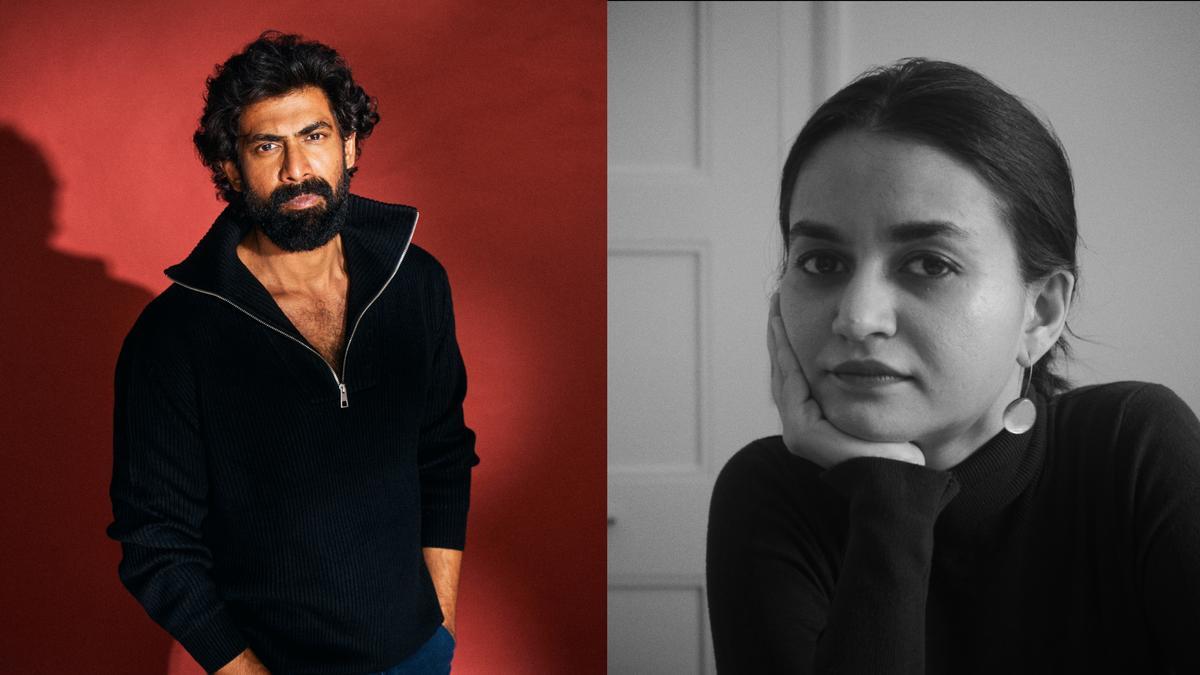
When queried about the rebate status, Kapadia indicated that it was still in process but expected resolution soon. In a detailed interview, both Kapadia and Daggubati shared insights about the film, its release strategy, and the state of independent cinema in India.
Rana Daggubati spoke at length about the unique voice of All We Imagine as Light and how it resonated deeply within Spirit Media. Prateeksha Rao, a partner at the company, was pivotal in bringing the film to their attention. He emphasized the film’s deeply Indian essence and its distinctive storytelling, focusing on Malayalis in Mumbai and the culture of the city itself. He recognized it as a tale both universal and specific, meriting a distribution approach different from traditional releases.
Spirit Media’s aim is to amplify unique voices, traditionally within Telugu cinema, but this venture signifies an expansion into broader territories.
. Daggubati expressed enthusiasm for growing from regional cinema towards a pan-Indian approach, anticipates this move will open doors to many more such stories.
Kapadia echoed Daggubati’s sentiments about the importance of mainstream collaboration in fostering a robust ecosystem for independent titles. Highlighting the scarcity of theatrical distribution for indie projects, she expressed immense gratitude for Spirit Media’s vision and commitment.
Daggubati delved into their strategic plan for the film’s release, emphasizing a gradual state-by-state release to build organic interest. This marks a pioneering effort in India, distinct from the international festival circuits that facilitate niche gatherings. The film’s opening in Kochi showcased this approach’s potential, selling out initial screenings within minutes.
The discussions also touched upon broader systemic issues within Indian cinema. Daggubati lamented the lack of cohesive infrastructure to support and showcase independent films nationally. While the Telugu industry has limited but existent spaces for previews, the rest of the country lacks such platforms, highlighting a pressing need for systemic change.
Kapadia added historical context to the challenges faced by independent filmmakers in India. She mentioned the erstwhile government and private funds that once supported indie films, advocating for their re-establishment. Drawing comparisons with Western models, she pointed out the necessity for collaborative forums where filmmakers, investors, and distributors can converge.
As the conversation steered towards broader cinema trends, both Kapadia and Daggubati shared their appreciation for diverse film styles, from mainstream Bollywood to regional indie gems. Kapadia noted her admiration for Karan Johar’s Rocky Aur Rani Kii Prem Kahaani and Amitabh Bachchan’s classic Angry Young Man films, reflecting on the cultural diversity and richness that Bollywood offers alongside more niche productions.
Daggubati humorously referenced his own mainstream success as the antagonist in Baahubali, juxtaposing it with his genuine appreciation for indie films and the stories they tell. His enthusiasm for different styles, from Marathi cinema’s Sairat to the Malayalam’s slice-of-life narratives, underscores his commitment to nurturing a diverse cinematic landscape.
All We Imagine as Light stands as a testament to the vibrant, albeit challenging, journey of independent cinema in India. Through innovative distribution strategies and collaborations like those between Spirit Media and filmmakers such as Kapadia, there is hope that indie cinema will carve out a significant niche in India’s rich cinematic tapestry.