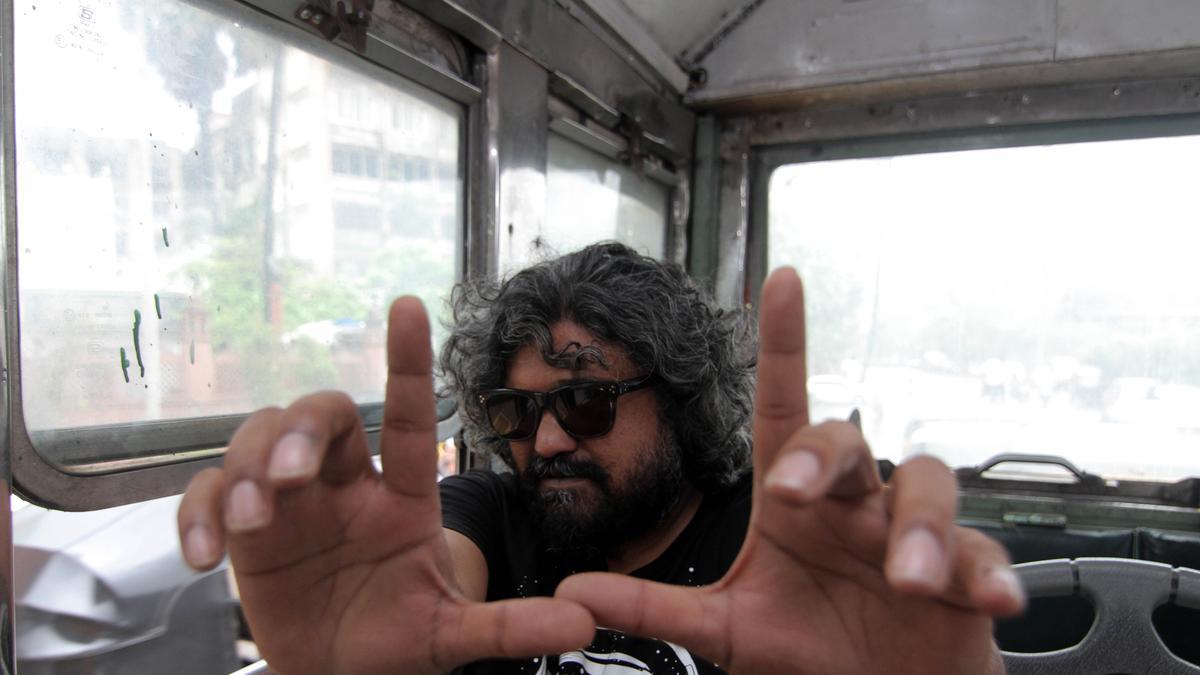
In a dramatic turn of events in the world of Hindi cinema, noted filmmaker Vasan Bala has opted to delete his Twitter account, driven by the swirl of controversies and the underwhelming box office performance of his latest cinematic venture, “Jigra.” Released with much anticipation, the film has not met commercial expectations, propelling Vasan Bala into a digital retreat, away from the often relentless scrutiny of social media.
“Jigra,” starring Alia Bhatt in a powerful role as an elder sister fighting against the odds to rescue her brother from the clutches of a foreign prison, was billed as one of the significant releases of the season. However, despite a substantial production budget of ₹80 crore, the film has struggled to resonate with audiences, amassing a modest ₹25.35 crore over a span of nine days at the box office. This level of commercial performance is notably disappointing and has been dwarfed by its rival release, “Vicky Vidya Ka Woh Wala Video,” featuring talents like Rajkummar Rao and Triptii Dimri, which has emerged slightly more successful in the box office race.
Vasan Bala’s decision to cut ties with his Twitter account followed a period of active engagement with critics and naysayers on the platform. Bala utilized Twitter as a medium to defend “Jigra” and engage in conversations that addressed its reception. His proactive stance, however, seemed to further fan the flames of criticism. He sparked particular controversy by minimizing the significance of box office numbers as the ultimate measure of a film’s success. In an interview with The Hollywood Reporter, Bala articulated his viewpoint that his creative vision was not primarily oriented towards commercial returns. These comments, interpreted by some as dismissive, sparked backlash among critics and moviegoers who view box office performance as crucial to a film’s validation.
The controversies have not been singularly about financial metrics; “Jigra” has also been embroiled in other disputes that have kept it in the headlines.
. A notable incident involves actress Divya Khosla Kumar, who has publicly accused Alia Bhatt, the lead star, of manipulating box office numbers. Kumar alleged that Bhatt artificially inflated ticket sales, a claim she bolstered by posting an image online showing an empty theater supposedly meant to highlight these discrepancies.
Further adding to the storm of negative publicity is a claim made by Manipuri actor Bujou Thaangjam. Known for his performances in films like “Mary Kom” and “Shivaay,” Thaangjam asserted that he faced unprofessionalism from “Jigra’s” casting team, having been promised a role that failed to materialize, thereby compounding the film’s woes.
As the dust settles over these controversies, “Jigra” faces scrutiny not just for its financial unfulfillment but also for becoming Alia Bhatt’s lowest opening film since the 2014 release of “Highway.” This fact adds another layer to the discussions about the film’s reception and the audience’s changing tastes.
Vasan Bala’s withdrawal from Twitter may signal a period of introspection for the filmmaker, as he reflects on the reception of “Jigra” and re-evaluates his relationship with social media. While the initial excitement and marketing hype surrounding the film have dissipated, the conversation it sparked regarding the perception of success in the film industry remains.
Meanwhile, the debate over whether box office success should be the primary gauge of a film’s value continues to divide audiences and critics alike. For producers and directors, striking a balance between artistic integrity and commercial viability remains an ongoing challenge.
As the Hindi film industry closely watches the aftermath of “Jigra’s” release, Vasan Bala’s experience underscores the volatile intersection of art, commerce, and public perception in today’s digital age. Whether his hiatus from social media will be temporary or permanent remains to be seen, but “Jigra’s” story continues to unfold, both on and off the silver screen.