
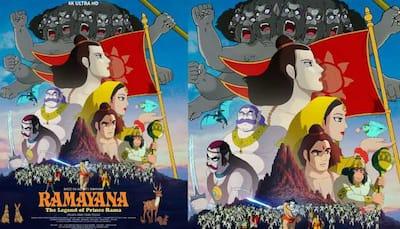
New Delhi – A unique artistic collaboration that emerged from the cross-cultural dialogue between Japan and India has left an indelible mark on the world of animation. “Ramayana: The Legend of Prince Rama,” an animated film co-directed by Koichi Sasaki and the renowned Indian animator Ram Mohan, under the visionary leadership of Yugo Sako, is hailed as a pioneering venture that brought the rich tapestry of Indian mythology to the global animation stage through the medium of Japanese anime. First completed in 1993, this cinematic marvel not only fused the storytelling traditions of two distinct cultures but also displayed the profound impact of Indian epics on international audiences.
Yugo Sako, whose fascination with Indian culture was deeply rooted in his experiences during the making of a documentary about archaeological excavations in India, envisioned Ramayana as the perfect narrative to be brought to life through animation. His visits to India became more than just exploratory; they served as a quest to identify a story with universal appeal that could transcend cultural boundaries. Ramayana became this story—a saga filled with themes of love, friendship, and loyalty, which Sako deemed essential for educating children and resonating with adults alike around the world.
The making of “Ramayana: The Legend of Prince Rama” was a mammoth task that demanded attention, precision, and authenticity. Harnessing the talents of approximately 450 artists, the film was intricately crafted using close to 100,000 hand-drawn cells. Sako opted for traditional hand-drawn techniques instead of the then-emerging computer animations. He believed that manual artistry was unparalleled in capturing the warmth and humane emotions inherent in the epic narrative. This painstaking process endowed the film with an emotional depth that has inspired generations of animators and filmmakers.
. Indeed, many of the artists who contributed to this project went on to be associated with legendary anime productions such as “Pokémon,” “Dragon Ball Z,” “Doraemon,” and even iconic films from Studio Ghibli, thereby cementing “Ramayana’s” influence on the evolving animation industry.
One of the standout achievements of the film is its seamless integration of Japanese anime techniques with the storytelling ethos of India, creating an unprecedented blend that highlights the beauty of cultural synthesis. The film’s ability to merge these diverse artistic traditions underscores the power of collaboration in producing works that speak to global audiences, offering narrative themes that are both deeply personal and universally relevant.
The excitement surrounding “Ramayana: The Legend of Prince Rama” is renewed as the film is set for its first-ever pan-India release, now remastered in stunning 4K resolution. Scheduled to be showcased during the vibrant festivities of Dussehra and Diwali, this cinematic wonder will be available in four languages: English, Hindi, Tamil, and Telugu. This strategic release aims to usher in a new era of appreciation for Indian culture through the engaging medium of anime, bridging generations by combining the timeless allure of India’s storytelling with the innovative artistry of Japanese animation. Distribution partners Geek Pictures India, AA Films, and Excel Entertainment are set to deliver this masterpiece to audiences across the nation, promising a unique viewing experience that intertwines cultural richness with visual brilliance.
At its core, “Ramayana: The Legend of Prince Rama” stands as a testament to Yugo Sako’s enduring passion for cultural narratives and his commitment to storytelling that uplifts, educates, and entertains. The film is not merely an animated retelling of an ancient Indian epic but a narrative mosaic that celebrates humanity’s shared values and the potential of artistic collaboration to transcend geographical boundaries. As it prepares for a grand re-entry into cinemas, the movie revitalizes its legacy, continuing to inspire countless audiences and creators alike. Its upcoming release in India not only honors its past achievements but also pioneers a future where cultural stories are shared, appreciated, and understood beyond their origins.