
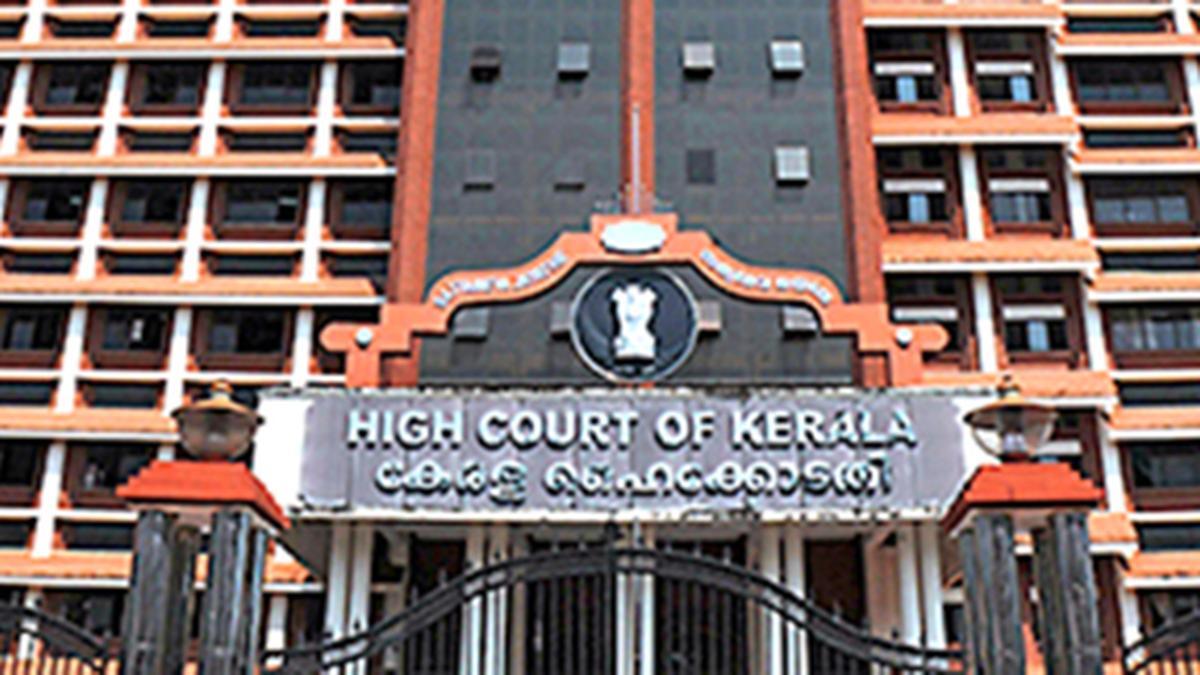
In a much-anticipated decision, the Kerala High Court is gearing up to issue its verdict on Tuesday, August 13, 2024, concerning a petition filed by film producer Sajimon Parayil. The petition challenges the State Information Commission’s (SIC) directive to disclose the contentious Hema Committee report, which delves into numerous issues women face within the Malayalam film industry.
The verdict is highly anticipated following the conclusion of hearings on August 7, 2024, presided over by Justice V.C. Arun. Justice Arun reserved the order for August 13, 2024, after extensive arguments from both sides regarding the petitioner’s plea.
The Hema Committee, headed by retired Justice K. Hema, had meticulously compiled a report detailing the working conditions and challenges women face in the Malayalam film sector. The report, finalized after thorough research and numerous testimonies, has been a subject of considerable debate and controversy. The Kerala State Information Commission had previously directed the state government to release the report to the public, albeit with certain redactions to protect sensitive information.
Opposing the petition were the Kerala Women’s Commission and the Women in Cinema Collective (WCC). These bodies argue that making the report public is crucial for addressing the systematic issues women encounter in the industry. According to the WCC, the report’s publication is essential for any meaningful changes to be implemented, and withholding it serves no purpose. They further questioned the bona fides of the petitioner, suggesting that his intentions are dubious.
On the other hand, the petitioner, Sajimon Parayil, contends that revealing the report’s contents would infringe upon the fundamental rights and privacy of the witnesses who provided testimony under assurances of confidentiality. He argues that even with redactions, there remains a significant risk of identifying individuals, which could lead to potential retaliation or harassment, given the interconnected nature of the film industry.
In support of the State Information Commission, its counsel argued that the public has a right to access the report. They emphasized that transparency is vital for improving conditions for women in the film industry.
. To mitigate privacy risks, the SIC has taken extensive measures to redact sensitive information, including personal details and any indications that could lead to the identification of individuals.
The SIC maintains that their order strikes a balance between the right to information and the need to protect individual privacy, in line with Section 11 of the Right to Information (RTI) Act. The commission believes that their procedures are robust and adequately safeguard the interests of all parties involved.
Adding to the state’s stance, the government pleader argued that the petition is not maintainable as the petitioner lacks locus standi to challenge the SIC order. This legal principle questions the petitioner’s standing to bring the case, suggesting that he may not have a legitimate interest or sufficient connection to the matter at hand.
As the date for the verdict approaches, the case has garnered significant attention not only within the film industry but also among the general public, highlighting broader issues of workplace fairness and gender equality. The outcome could potentially set a landmark precedent for how information about systemic issues within industries is handled and disclosed.
The implications of the court’s decision are far-reaching. Should the verdict favor the State Information Commission and other supporters of the report’s release, it would signify a victory for transparency and accountability. It could pave the way for much-needed reforms in the Malayalam film industry, enhancing protections and working conditions for women. Conversely, if the court sides with the petitioner, it could underscore the complexities involved in balancing public interest with individual privacy rights.
The Hema Committee report itself has been a focal point for advocates of women’s rights in the industry. It underscores various forms of discrimination, harassment, and other challenges women face, making its disclosure a rallying cry for reformists.
As stakeholders await the High Court’s decision, the case emphasizes the ongoing struggle for gender equality and safe working environments. The verdict will likely resonate beyond the borders of Kerala, potentially impacting broader discussions on women’s rights and transparency in various industries across India.
In conclusion, the court’s impending decision on August 13, 2024, is more than just a legal determination; it symbolizes the complex interplay between transparency, privacy, and the quest for justice within the entertainment industry. As the clock ticks down, all eyes will be on the Kerala High Court to see how this critical issue unfolds.