According to a document circulating on social media, the panel that formed the Selection Committee to finalize India’s official entry for the Oscars 2025 includes no women. This information has sparked significant debate among industry insiders and the public alike, drawing attention to issues of gender representation within influential cultural institutions.
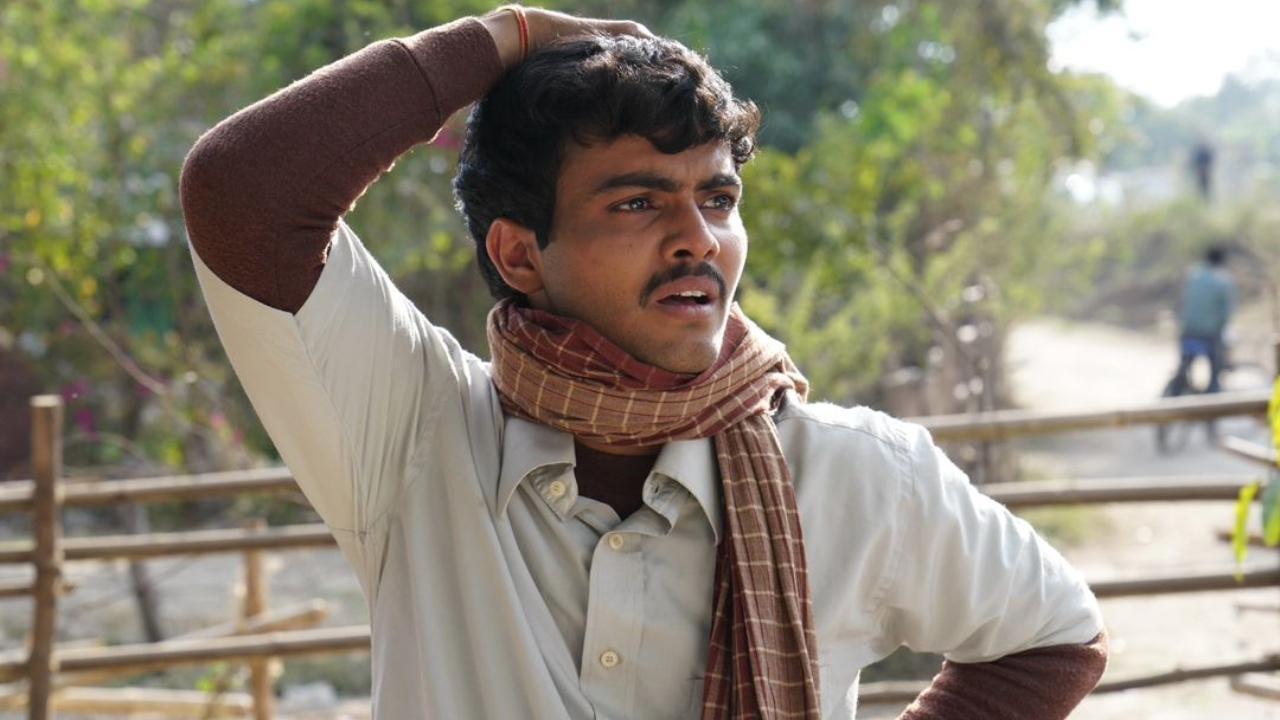
The Film Federation of India (FFI) announced on Monday that Kiran Rao’s film ‘Laapataa Ladies’ would be the country’s official entry in the Best Foreign Film category at the 97th Academy Awards. Directed by Kiran Rao and produced by Aamir Khan, ‘Laapataa Ladies’ aims to highlight significant social issues while representing Indian cinema on the global stage. The prestigious Academy Awards ceremony is scheduled to be held on March 2, 2025.
The lack of female representation on the selection committee has raised eyebrows and led to questions about the inclusivity and diversity of the decision-making panel. The members of the all-male committee include: Mr. Jahnu Barua (Chairman) – Director, Mr. Manjunatha S. – Lyrics Writer, Mr. Santhosh Raman – Art Director, Mr. Subbiah Nallamuthu – Doc & Short Film, Mr. Ravi Jadhav – Producer, Director, Actor, Mr. G. P. Vijayakumar – Producer, Mr. Avinash U. Shetty – Actor, Director, Producer, Mr. Bobby Bedi – Producer, Mr. Umamaheshwar Rao – Journalist, Producer, Mr. Bhargav Purohit – Music, Mr. Praveen KL – Film Editor, Mr. Longinus Fernandes – Dance Director, and Mr.
. D. Yuvaraj – Audiographer.
The controversy was further fueled by a tweet emphasizing the irony of the situation: “Indian women are a strange mixture of submission and dominance” — the opening sentence in the citation for India’s official entry to the Oscars, and then you notice the all-male selection committee. A screenshot of the circulated document and the tweet has gone viral, prompting discussions about the need for more balanced representation in cultural institutions.
The citation provided by the committee praised ‘Laapataa Ladies’ for its portrayal of Indian women: “Indian women are a strange mixture of submission and dominance. Well-defined, powerful characters in one world LAAPATAA LADIES (Hindi) captures this diversity perfectly, though in a semi-idyllic world and in a tongue-in-cheek way. It shows you that women can happily desire to be homemakers as well as rebel and be entrepreneurially inclined. A story that can simultaneously be seen as one that needs change, and one that can bring about change. Laapataa Ladies (Hindi) is a film that can engage, entertain, and make sense not just to women in India but universally as well.”
The film ‘Laapataa Ladies’ explores themes of gender equality and women’s empowerment in rural India, following the story of two brides who are accidentally switched during a train journey in 2001. The film stars Pratibha Ranta, Sparsh Srivastava, and Nitanshi Goel in lead roles, and combines a compelling narrative with a strong social message. Released in March, it also features performances by Ravi Kishan, Chhaya Kadam, and Geeta Aggarwal Sharma, contributing to a diverse cast that adds depth to the story.
Despite the acclaim received by the film, the absence of women on the selection committee has overshadowed some of the celebrations surrounding the announcement. Critics argue that having a diverse panel is essential for ensuring a range of perspectives and fair representation in such significant decisions.
Industry veteran Anubha Sinha commented, “It’s disheartening to see an all-male committee deciding the official entry for a film that deals with women’s issues so profoundly. This discrepancy underscores how much work still needs to be done in terms of gender inclusivity in our industry.”
The debate has also sparked discussions about the broader systemic issues that may contribute to such imbalances. While women have made significant strides in the Indian film industry, positions of power and decision-making continue to be predominantly occupied by men.
In response to the criticism, the Film Federation of India stated that all committee members were chosen based on their extensive experience and contributions to Indian cinema. However, they have also acknowledged the feedback and expressed a commitment to ensuring a more balanced panel in future selections.
As ‘Laapataa Ladies’ prepares to compete on the global stage at the Oscars, the controversy serves as a reminder of the ongoing challenges related to gender representation. The calls for more inclusive practices in the film industry are growing louder, and it remains to be seen how these demands will shape the future of such pivotal platforms.