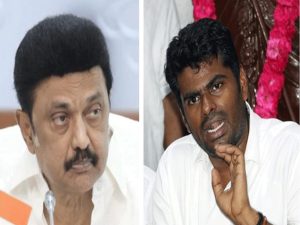
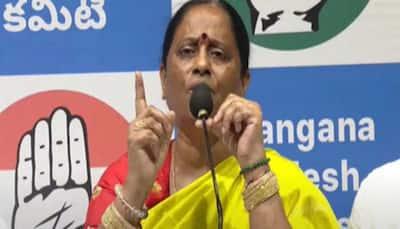
In a dramatic turn of events in the world of politics and entertainment, Telangana Minister Konda Surekha has chosen to clarify and retract her recent comments that ignited a storm of controversy. The remarks, which linked the high-profile divorce of actors Naga Chaitanya and Samantha Ruth Prabhu to Bharat Rashtra Samiti (BRS) working President KT Rama Rao, have drawn widespread attention and criticism. Initially made on Wednesday, Surekha’s comments implied that KT Rama Rao played a direct role in the couple’s separation, suggesting unethical interference and misconduct.
On Thursday, in an attempt to quell the backlash and potential legal repercussions, Minister Surekha offered a statement of clarification via the social media platform X, formerly known as Twitter. In her statement, she acknowledged that her remarks were meant to highlight what she perceived as the belittling of women by KT Rama Rao, rather than to disparage or harm the reputation of actress Samantha Ruth Prabhu. In a gesture aimed at reconciliation, Surekha declared her willingness to retract her comments if Samantha or her supporters found them offensive.
“My comments are meant to question a leader’s belittling of women and not to hurt your (Samantha Prabhu) sentiments. The way you have grown up with self-power is not only an admiration for me but also an ideal,” Surekha stated. Her message continued with an expression of admiration for Samantha’s self-made success. “If you or your fans are offended by my comments, I unconditionally retract my comments. Don’t think otherwise,” added the Minister.
The controversy stems from Surekha’s initial allegations involving KT Rama Rao. She accused the BRS working President of deploying intrusive tactics, including phone tapping and blackmail, during his tenure as a minister—a period coinciding with the actors’ marriage struggles. These assertions suggested a narrative of manipulation, with allegations that Rao made actresses dependent on substances and exploited their vulnerabilities for political gain.
.
The comments were met with swift condemnation from various quarters. Prominent actor Nagarjuna Akkineni, connected to the matter through his familial ties with Naga Chaitanya, criticized Surekha for leveraging the personal lives of celebrities for political point-scoring. He emphasized the importance of respecting privacy and cautioned against using public figures as rhetorical weapons in political disputes.
Samantha Ruth Prabhu, directly implicated by the remarks, responded in a more personal capacity. She described the experience of her divorce as a matter of “mutual consent and amicable,” expressly rejecting any notions that their separation was the result of political machinations. Speaking out via Instagram, she asked the public and media alike to cease speculating about her personal affairs, emphasizing the mutual and private nature of her agreement with Chaitanya.
Caught in the subsequent legal entanglements, KT Rama Rao issued a defamation notice to Konda Surekha, alleging that her remarks were aimed at damaging his political standing and personal reputation. The official notice demanded an immediate withdrawal and retraction of the incendiary statements.
As this incident continues to unfold, it remains a poignant reminder of how the intersections of celebrity culture and political agendas can quickly spiral into national headlines. Speculation about the personal lives of public figures often fuels media cycles, complicating the individuals’ attempts to maintain personal privacy amidst public roles. Surekha’s intent to draw attention to women’s empowerment resulted in an unintended conflation of serious allegations with personal matters, igniting an ongoing dialogue about responsibility and accountability in public discourse.
This debate remains emblematic of the broader tensions within media and politics regarding privacy rights, the ethics of political rhetoric, and the intricate impact of such declarations on individuals’ lives. As the situation develops, observers watch closely to see how these influential figures navigate both legal and public scrutiny, weighing the balance between advocacy and respect for private life.