
In the heart of Nevada’s spirited district, Representative Dina Titus stands as a pivotal figure, wielding considerable influence as a federal advocate for the gaming industry. As the co-chair of the Congressional Gaming Caucus, her role is instrumental in molding the future of a sector that is deeply integrated into the economic fabric of her region.
One of her recent endeavors focuses on a significant fiscal aspect of the gaming world: the federal excise tax on sports betting handle, a burden that she is actively seeking to lift. At a rate of 0.25%, this tax has long been a source of contention within the industry. The charges collected are channeled into the General Fund rather than being allocated to combat illegal gambling operations. The introduction of legal sports betting across multiple states has brought this issue to the forefront, prompting Representative Titus to question the rationale behind maintaining a levy that could otherwise empower legal operators to better compete against offshore and illicit alternatives. In her view, removing or reducing the tax could enhance the allure of legal betting products, thus bolstering the market and potentially reducing illicit activity.
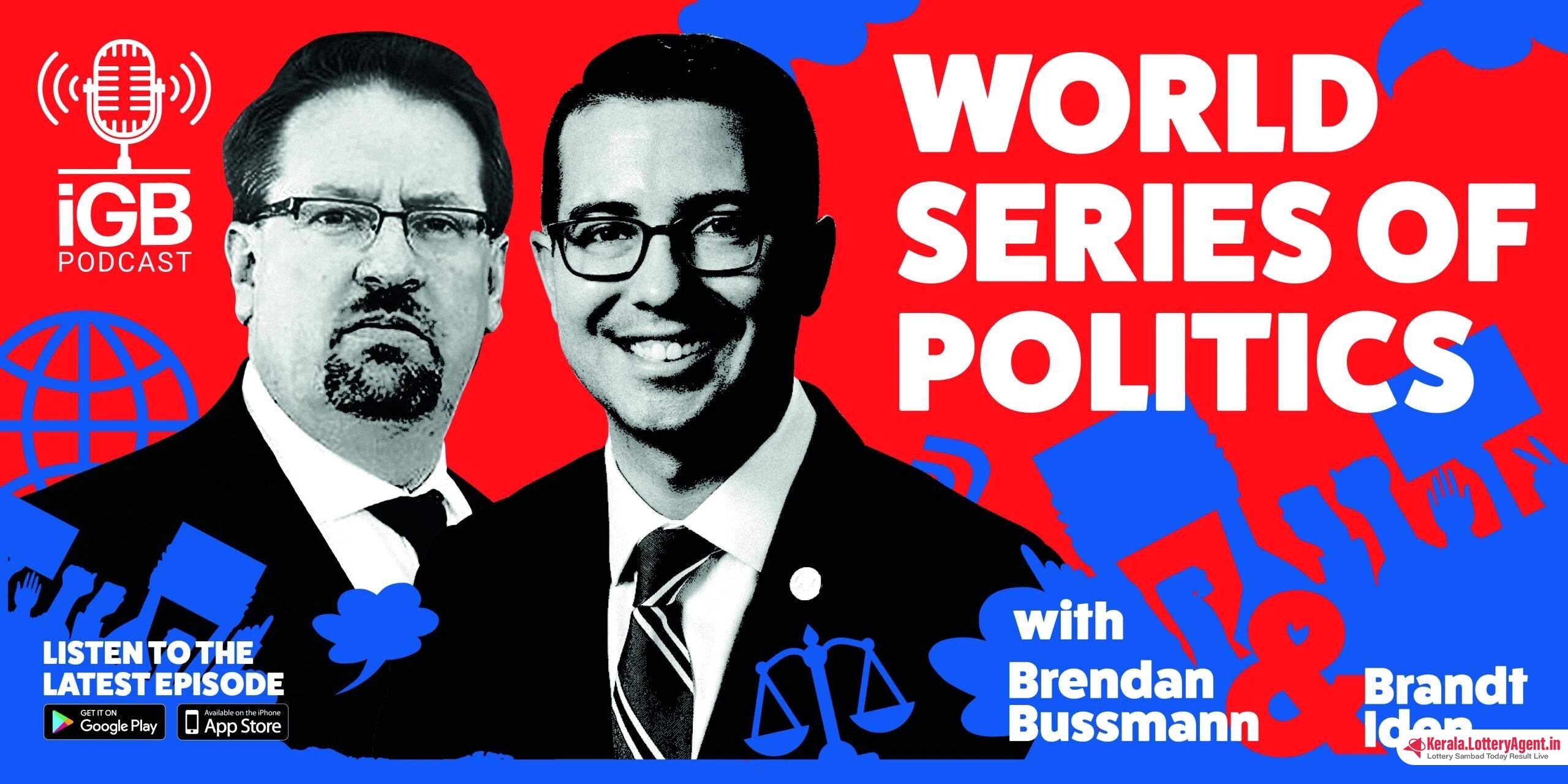
The topic of this tax was one of several potent issues discussed on the “World Series of Politics,” available for listeners on Apple Podcasts. Here, Representative Titus elaborated on her stance regarding the tax and its implications for the industry.
On the flip side, Representative Titus is not without her detractors, most notably concerning the Gambling Addiction Recovery, Investment, and Treatment Act (GRIT Act). This legislation proposes to repurpose the aforementioned federal tax, directing funds toward programs and initiatives aimed at treating problem gambling. Despite the well-intended objectives, Titus raises objections, possibly due to procedural oversights, as the bill’s sponsors did not consult with the Gaming Caucus — a move she likely views as bypassing a critical source of insight and advocacy for the industry.
Moreover, she points out that state-level legislation typically includes provisions for funding problem gambling efforts, further calling into question the necessity of the GRIT Act in its current form and igniting a debate over federal versus state control in this domain.
To hear her expansive commentary on these issues, including perspectives on gaming expansion, confronting the black market, and enhancing player protection, listeners are encouraged to tune into the full episode. This discussion promises to shed light on the complex interplay of legislation, finance, and social responsibility that continues to shape the dynamic gaming industry.
As the industry looks ahead, the triangulation of state interests, federal oversight, and independent industry ambitions will be a fascinating dance to observe. With advocates like Representative Titus at the helm, the Congressional Gaming Caucus appears primed to influence this narrative, striking a balance between economic growth and ethical oversight. The convergence of gaming legislation and its ripple effects across society will remain a tale of high stakes, not only in Nevada but in every corner of the nation where gaming has made its mark.