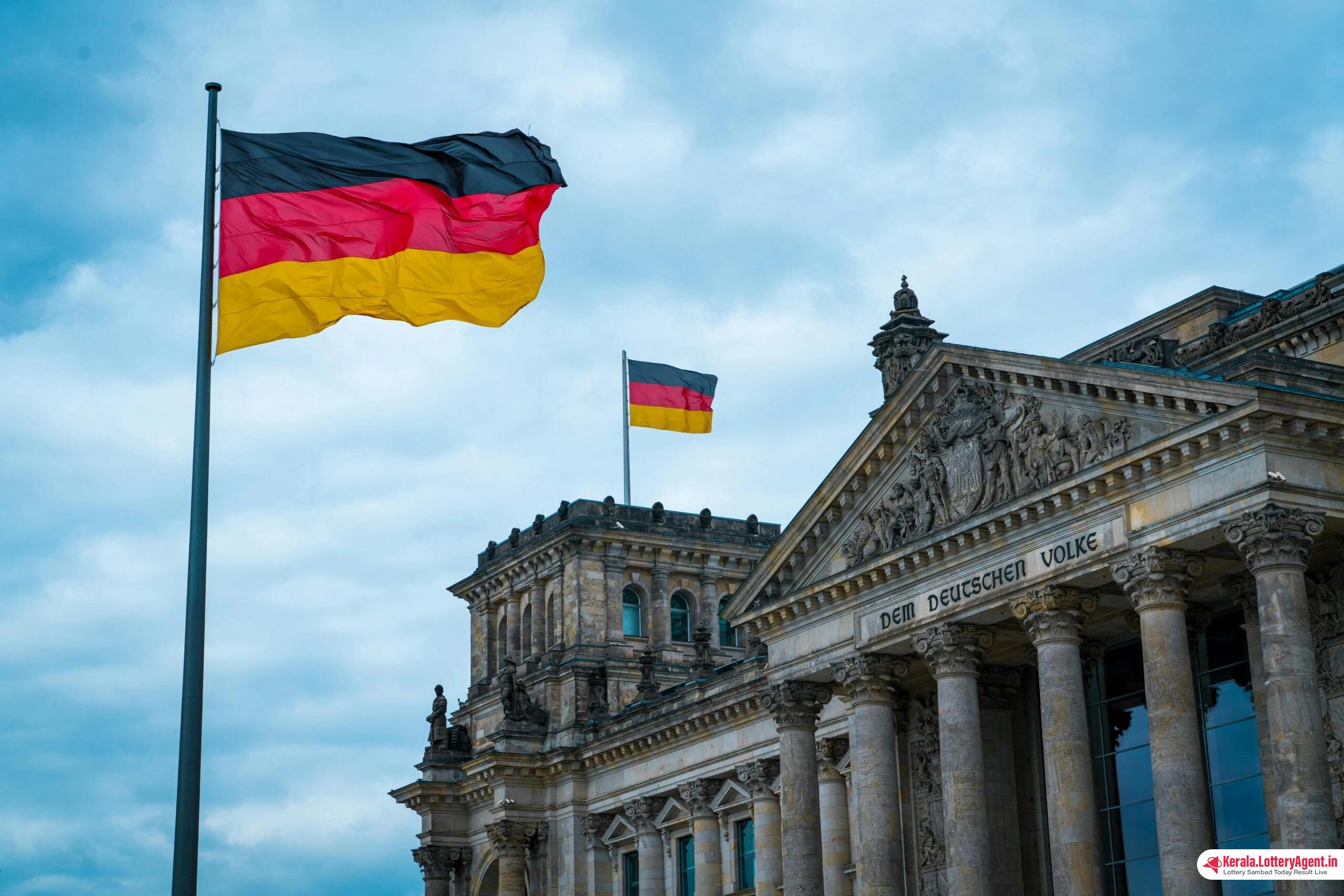
In an age where the digital economy is flourishing, the rules governing online activities are more important than ever. This is particularly evident in the world of sports betting, where the German Sports Betting Association (DSWV) has raised a red flag concerning the stark rise in black market betting within the country. Recent data unveiled by the DSWV for the year 2023 indicates a worrying decline in the gambling sector, with a 5.4% dip in stakes from the prior year, bringing revenue down to €7.7 billion.
The heart of the issue, according to DSWV, is the State Treaty on Gambling that was enforced back in 2021, setting stringent limitations on marketing strategies for the industry. On top of that, the treaty imposes a prohibition on live betting and restricts wagering to only certain sports and horse racing, while activities like eSports and non-sports events are off-limits. This starkly contrasts with the expansive betting offers available on the black market, which do not adhere to these constraints.
With Germany poised to host the UEFA European Championships this year, the prospect of sports betting is expected to skyrocket. However, the DSWV is concerned with the existing regulations’ counterproductive nature. Instead of engaging with licensed providers abiding by the legal frameworks, sports enthusiasts may resort to unregulated channels, with studies showing that roughly 50% of online gambling activity in the country is already flowing through these black market conduits.
It is crystal clear why the black market might appear more enticing to players: without the confines of the State Treaty on Gambling, unlicensed operators are primed to offer a more varied betting experience. Consequently, the legal market is suffering—and not from a lack of interest in gambling—but due to failure in providing a competitive and appealing product to the customer base.
The DSWV underscores the importance of advertising as a tool to distinguish legal providers from their illicit counterparts. However, stringent regulations, including a blackout period for online and television advertising as well as curbs on the usage of sports clips in adverts, have imposed significant bottlenecks. The association argues that an outright advertising ban, which is being advocated by some factions, would only exacerbate the issue, blurring the line between legal and illegal operations and failing to direct players towards protected and regulated establishments.
Alarming insights come from a survey commissioned by the DSWV, revealing a disturbing picture where just over half of the betting actions are undertaken through licensed channels. The rest—nearly a third of the total play—is happening through unlicensed providers within the EU, and around 20% is funneled through offshore entities. These are stark figures, especially when set against the backdrop of gambling laws originally intended to promote channelling towards regulated entities.
In light of these revelations, the DSWV has made an earnest appeal to the Joint Gaming Authority of the States (GGL), the body responsible for overseeing the gambling industry, to revisit and realign current policies. The association ardently opposes the notion of a blanket ban on gambling advertisements and emphasizes the need for a regulated framework which can sustain both competitive odds and consumer protection.
As legal sports betting providers grapple with a restrictive landscape, the risk of bettors drifting to the black market looms large. The DSWV calls for immediate and strategic action that can nurture a legal gambling environment—where advertising serves as a beacon towards safe and controlled betting practices—before the situation spirals further out of control. Only then can the goals of regulation and revenue protection be achieved in Germany’s dynamic yet volatile betting landscape.