
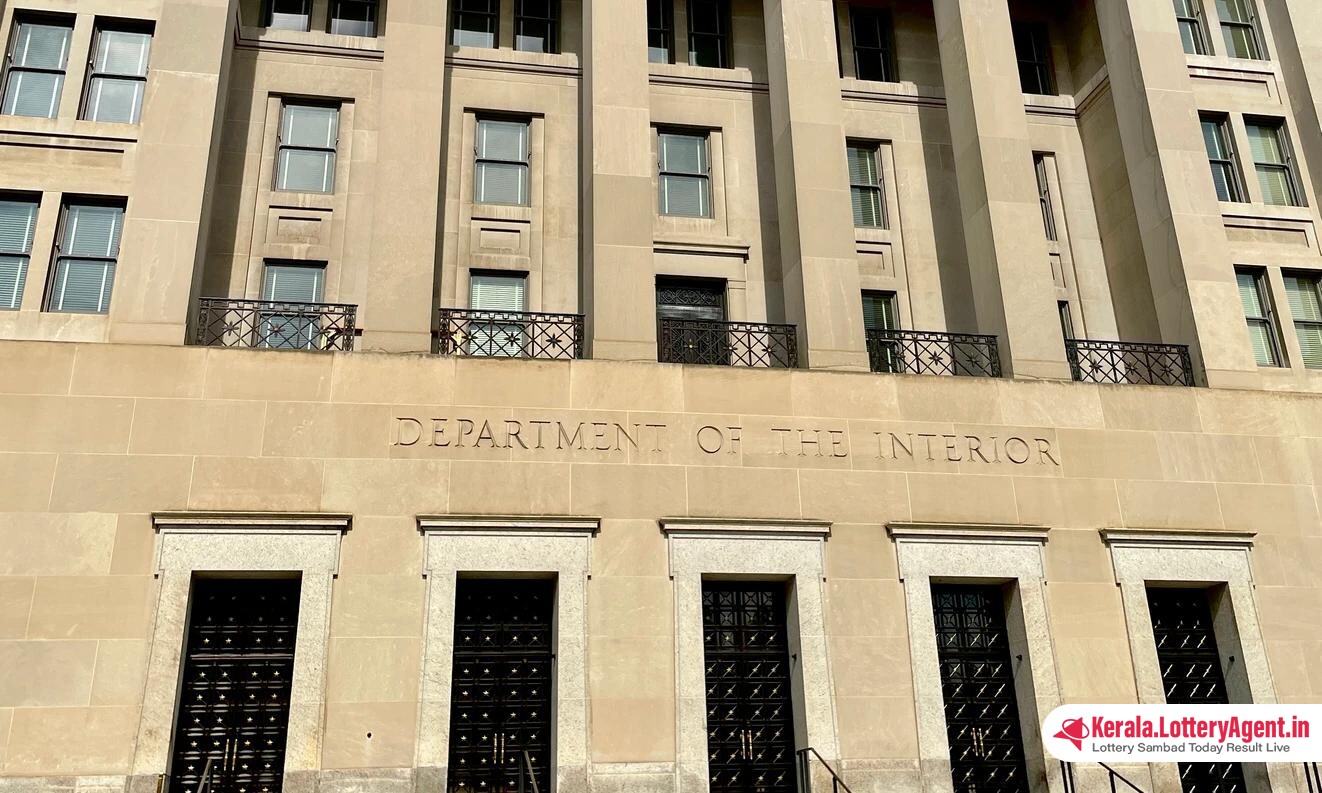
The U.S. Interior Department has recently announced a significant regulatory update intended to streamline and improve the framework governing tribal gaming. Considered a cornerstone of tribal economic prosperity, gaming has been hailed by the Department as “one of the most significant drivers of tribal economic development.” The focus of the new regulatory adjustments is to simplify the process through which tribes negotiate compacts and obtain the requisite approvals from the Interior Department.
To this end, the updated regulations primarily target 25 C.F.R.Part 293. They aim to demystify the Interior Department’s criteria for approving tribal compacts by setting clearer negotiation boundaries, defining essential terms, and laying out specific conditions under which the Interior Department must review a compact. This move promises to not only enhance but also quicken the deal-making process between tribes and states concerning Class III gaming—a category that includes various casino-style games and betting.
These rules are a product of careful deliberation and consultation with tribal leaders. The Interior Department acknowledges that the final rule “reflects input and recommendations provided by tribes.” The regulations are slated to come into effect 30 days following their publication in the Federal Register, which is anticipated to occur this week.
Interior Department Secretary Deb Haaland emphasized the broader impact of Indian gaming, stating that “Not only does Indian gaming support tribal economies, the funding it generates helps to support the vital services that tribal nations provide to their citizens.” She lauded the regulatory update for offering “certainty and clarity to tribes for an industry that remains one of the most significant sources of economic development in Indian country.”
Additionally, Assistant Secretary for Indian Affairs Bryan Newland commented on the new regulations as a fulfillment of the Biden-Harris administration’s commitments to the tribal nations. Newland stressed the importance of clarity in Class III gaming compact negotiations as a step forward in respecting and upholding tribal sovereignty.
The introduction of these regulations comes at a critical moment. The year 2023 has been marked by significant challenges to tribal sovereignty in the United States. Amidst attempts by state governments to extend their influence over tribal lands and lingering apprehensions regarding court rulings, tribal nations have found themselves in a defensive stance to preserve their exclusive rights to casino and gaming operations.
Despite these political and legal pressures, the performance of tribal gaming remains strong, showcasing the resilience and entrepreneurial spirit of the tribal nations. The National Indian Gaming Commission’s annual report for the year 2022 indicated a 4.9% increase in revenues, amounting to $40 billion—a record-setting $1.9 billion annual gain, the highest ever recorded.
However, the continued success of tribal gaming and casinos has not quelled the anxiety among tribal leaders, who remain vigilant against encroachments from political figures and commercial gaming interests. These external forces are exerting pressure through both state governments and the courts, seeking to carve out a share of the thriving tribal gaming market.
In conclusion, the newly announced regulations by the Interior Department mark a pivotal step in reaffirming the federal government’s commitment to supporting the sovereignty of indigenous nations, particularly in the domain of tribal gaming. Through legal clarity and streamlined processes, these measures intend to bolster the economic autonomy of tribes and protect a critical source of revenue and community development. The full impact of these changes will unfold as tribal nations continue to navigate the complex interplay of federal, state, and tribal jurisdictions in the evolving landscape of Indian gaming.